
Forms of schooling

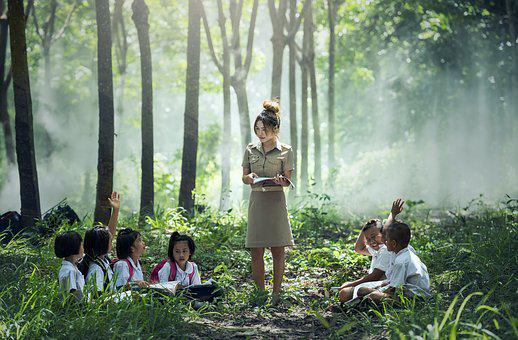
Every parent has a tough time deciding which school they would want to send their child to. Rarely do these parents give a thought about what form of schooling would be better to their child considering their interests and opportunities they will have. Although most of the children are sent to traditional schools to obtain formal schooling, there are a handful of parents who prefer home-schooling for their children wherein the children are taught the basic knowledge they need to have along with giving enough importance to the activities such as sports, art, dance, music, and others.

Home-schooling
This particular form of schooling can give the parents a complete control and knowledge of what their children are learning. The given attention works in a positive manner to the child as they are conscious that they are being noticed unlike the formal school where the teacher cannot give equal attention to each of their student. Resulting to this act is the children learning better with focus and attention. The parents will have a hand over the learning and knows that their children do not need a tutor.

The lessons can be structured in such a way that it is understood easily by the child with what they like more. Binding the child’s passion in the process of them learning is the way to learn these days than to have a teacher for all the lessons. Child – centric learning implements better comprehensive ability, problem solving, and boosts confidence.
The other side of this form of schooling is that this is not a perfect option for education. If the child is taught in the form of home-schooling method and the parents go to work, the child loses the attention to study, even if there is a tutor. The social interaction is limited unlike traditional schooling where children make friends for the lifetime.
Traditional schooling
Traditional form of schooling is not exactly the complete opposite of home-schooling method but they have their own advantages and disadvantages along with significant changes. The child gets to explore so much more than they ever could by learning at home. Their social and personal skills will see improvement and engaging.
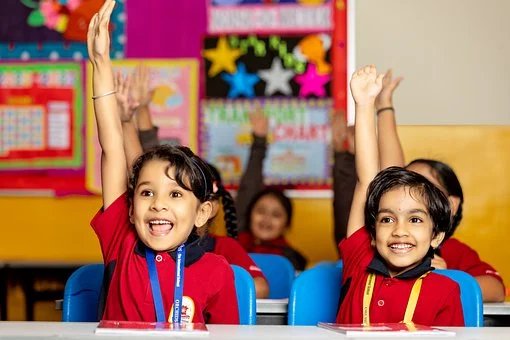
It is quite easier for the parents as they don’t have to buy books and materials as the school already has a library with materials in abundance. The internet connections are also made available in the schools to have extensive research online when necessary. Adding to this is the teachers who have specialized skills in teaching who make the learning process easier.
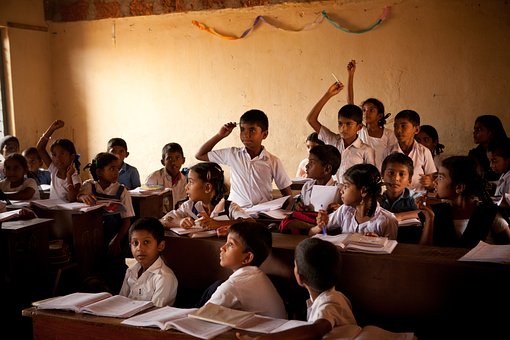
The schools have a set standard of learning and the child is expected to work in that manner only unlike in home-schooling where they learn in a way that they understand. The lessons are structured in one particular format and there can be no flexibility seen if any child is finding that method difficult. The attention may vary each day and also their interest. There might be days where they don’t want to or not able to comprehend what is being taught. On these days they have to compromise themselves and go with the school norms which is not the case in home-schooling.
Decision making
To make the wise choice is on the parents after they consider their lifestyle along with their child’s interests and passion. They also have to know that the children can join extra classes where they can pursue their passion along with formal schooling as well. Prioritizing the child’s needs, growth, and learning is important. With that, everything else they do falls in line which brings out positive results and impacts their life.
